What exists today?
Procedures, responsible institutions, systems and data, and which of them are digital.
Turks and Caicos Islands · Gap analysis
Why this assessment
A Trade Facilitation and Intelligence Platform is one place where traders and investors find a procedure and complete it, and where the Department sees the data these procedures produce. The gap analysis documents what traders and investors find hardest today and what the Department wants the platform to do first, so that any cooperation is built on evidence.
A trader or investor usually deals with several institutions. Each one asks for its own steps, documents and fees, and each one weighs on the decision. A trader or investor should understand where to go, what they will receive, how long it will take, and who is responsible for the result. For them, the platform can make each procedure clear, simpler and, where it helps, available online.
For the Department, the same platform produces data: how many requests arrive, how long each one takes and where requests stall. These figures show how trade moves and how trade policy is implemented. Digitalisation is not an objective in itself; it is one way to improve the trade and investment environment.
What the gap analysis covers
Procedures, responsible institutions, systems and data, and which of them are digital.
The main difficulties, priorities and opportunities for improvement.
Reforms, initiatives and partnerships at work, to build on rather than duplicate.
After the assessment
The assessment will not prescribe a single solution. Depending on the needs identified, possible areas of cooperation could include greater transparency, simpler procedures, online services and trade intelligence. Where digitalisation is chosen, the order is: document, simplify, then put online. Putting online a procedure that nobody has simplified only makes it faster to get wrong.
Where the Department sees the need, possible assistance could help document each trade and business procedure from the user’s point of view: steps, documents, costs, times, legal basis and responsible office, kept up to date by that office.
Depending on the needs identified, possible assistance could help review steps and requirements that no longer serve a clear purpose, and clarify which office is responsible for each action.
Where appropriate, and once procedures have been simplified, possible assistance could help put priority services online, for example licences, permits or complaints, with one entry point for all of them. UNCTAD’s eRegistrations platform is one option among others.
If the Department asks for it, possible assistance could help turn the data these procedures produce into simple dashboards: number of requests, processing times and bottlenecks, to monitor trade and the implementation of trade policy.
In practice
These examples show what other countries have already built, in the order the work follows: document, simplify, then put online. They are an inspiration, not a plan for the Turks and Caicos Islands: anything similar here would follow the Islands’ own rules and priorities.
1 Transparency
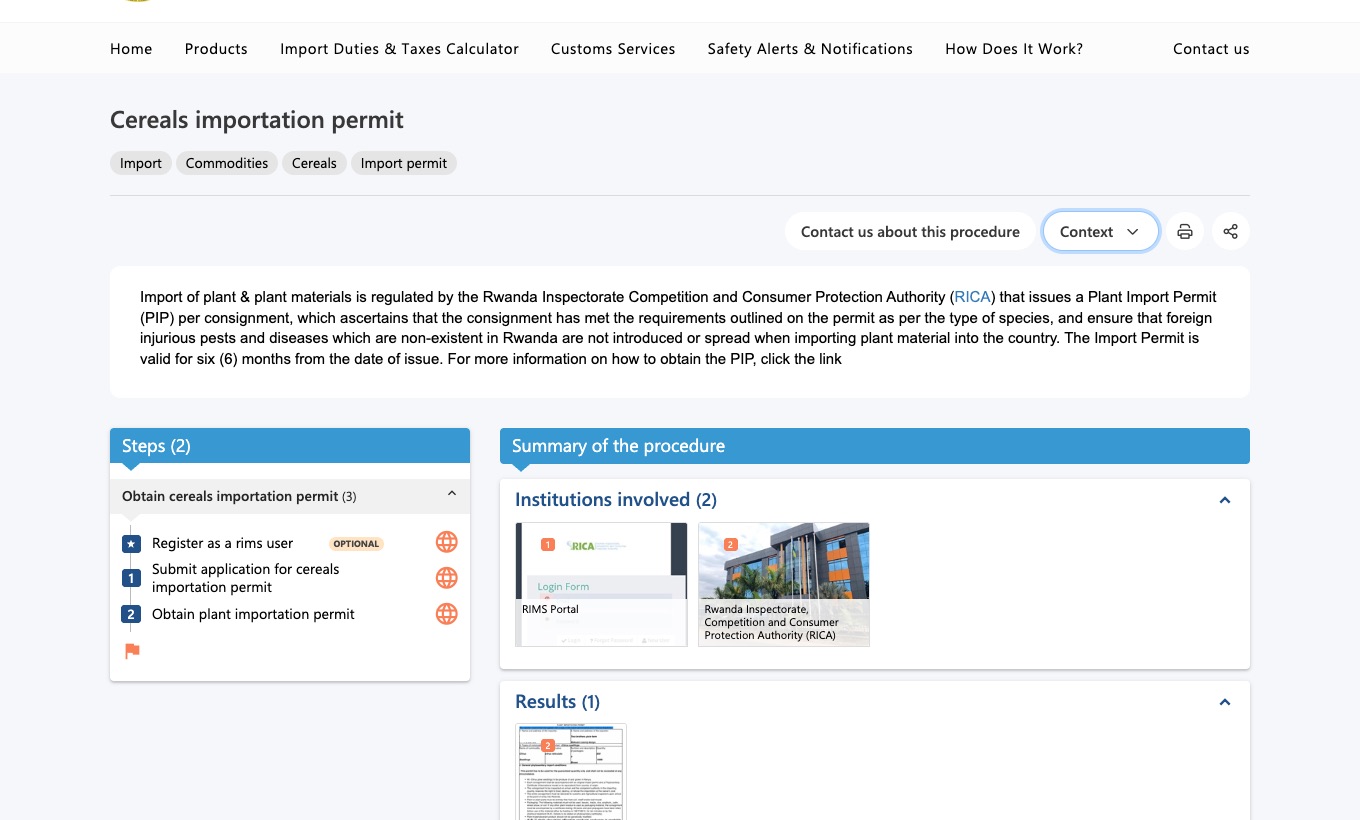
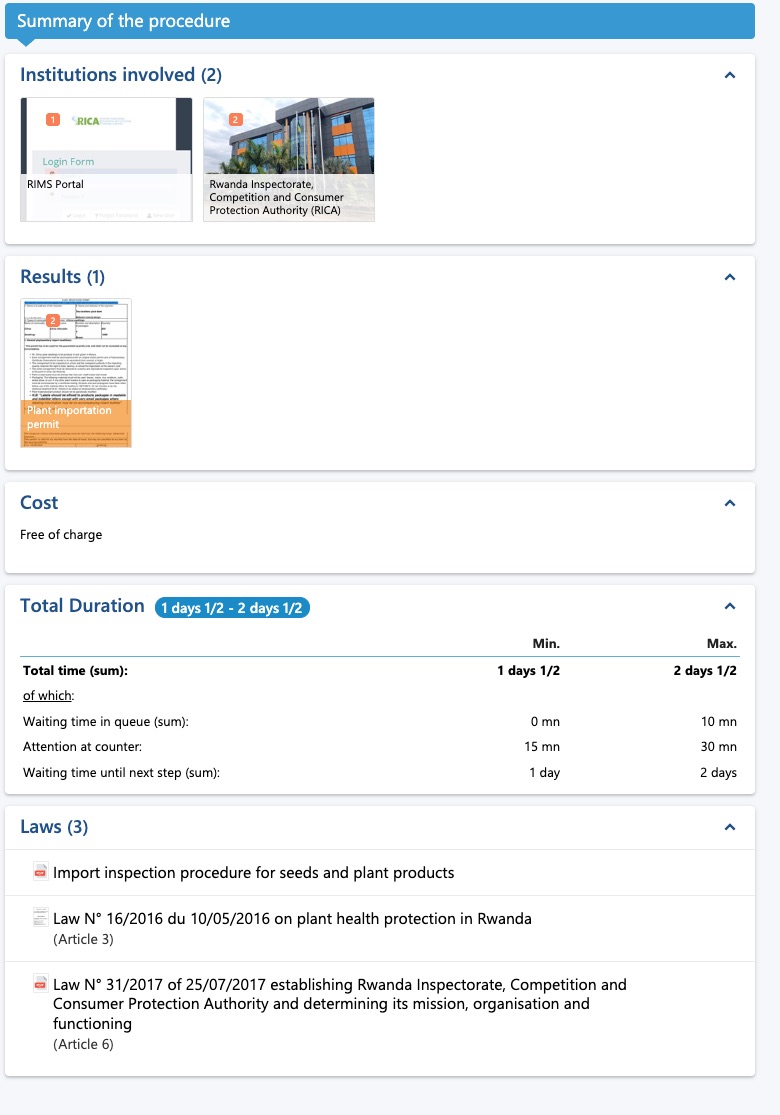
Rwanda’s Trade Portal is built on UNCTAD’s eRegulations system. A trader who wants to import cereals finds, in one place, every step, every office, the cost, the time and the law behind each requirement, before going anywhere.
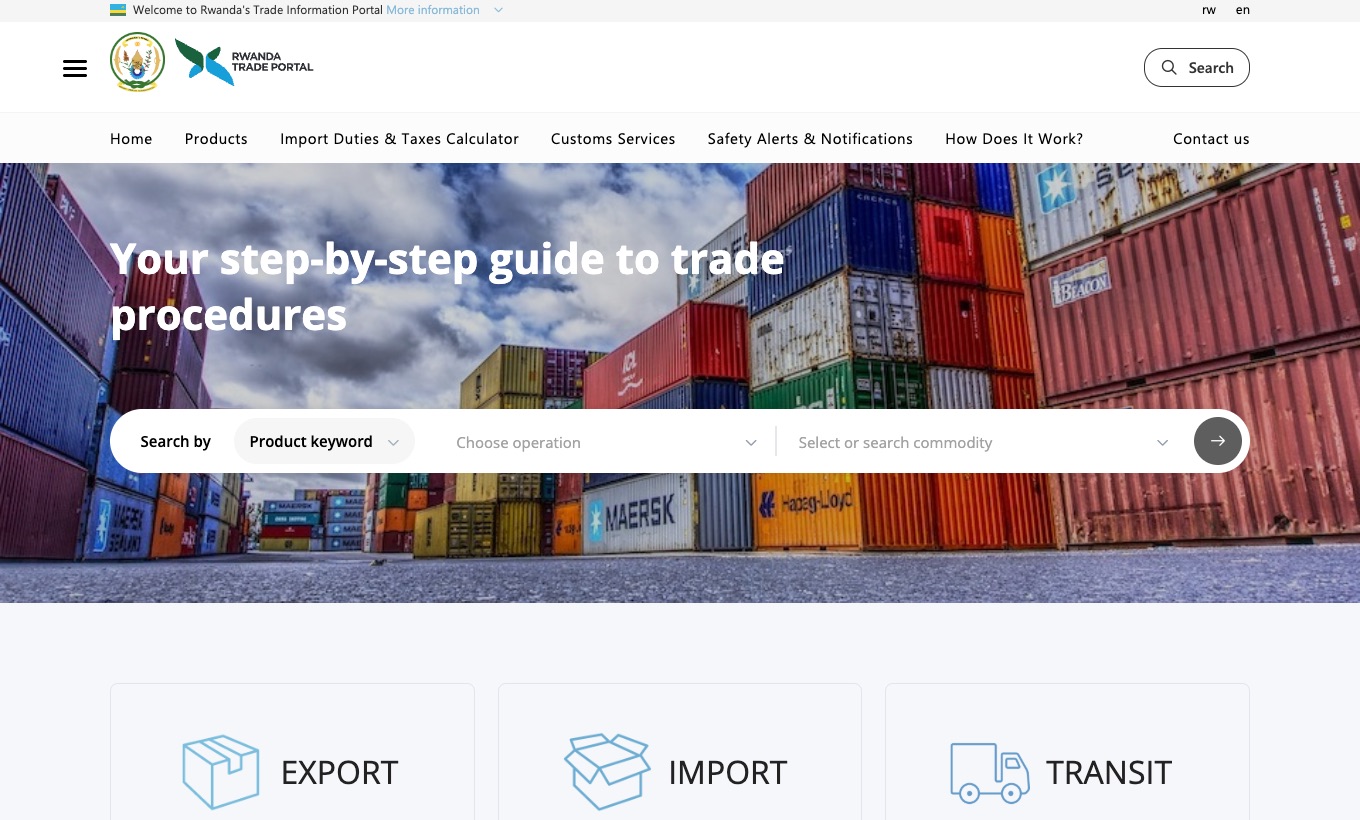
Source: rwandatrade.rw, managed by the Rwanda Revenue Authority.
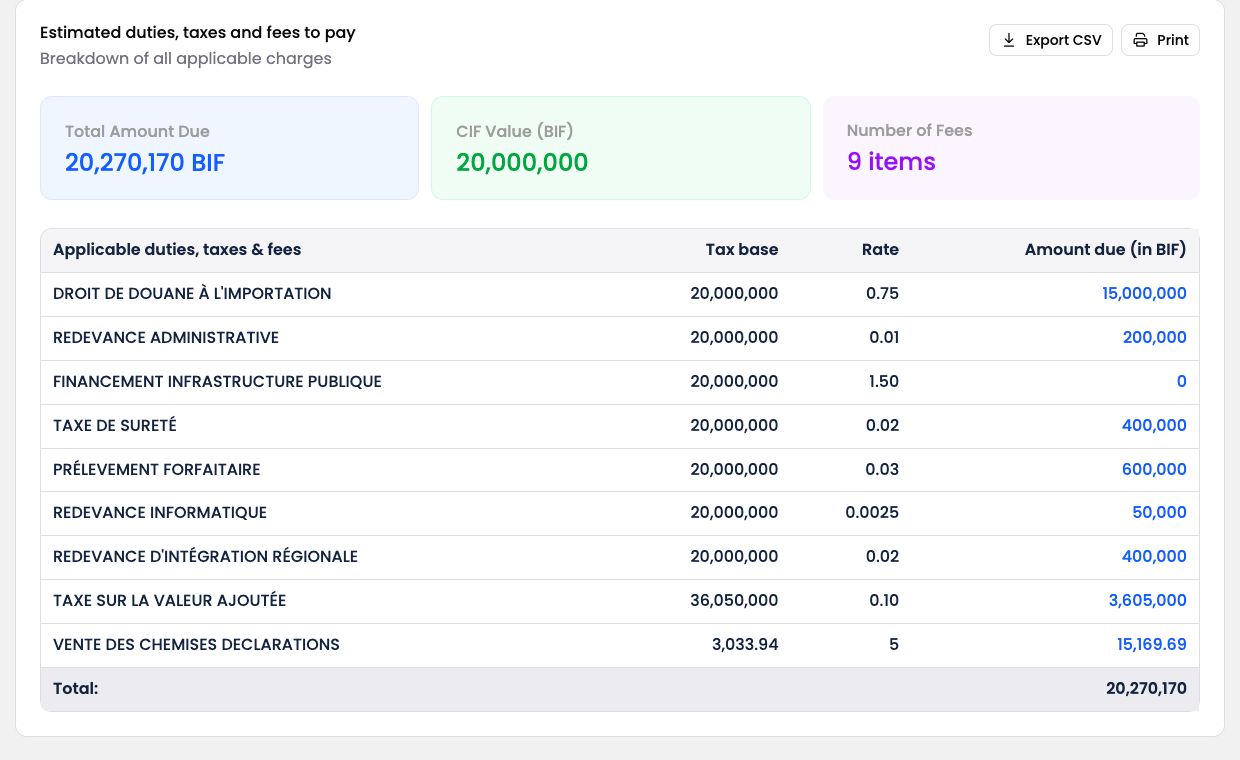
Burundi’s trade portal includes a duty and tax calculator built on the same system. A trader enters the product, its origin and its value, and sees every charge before the goods arrive. Example: 10 tonnes of rice from Tanzania.
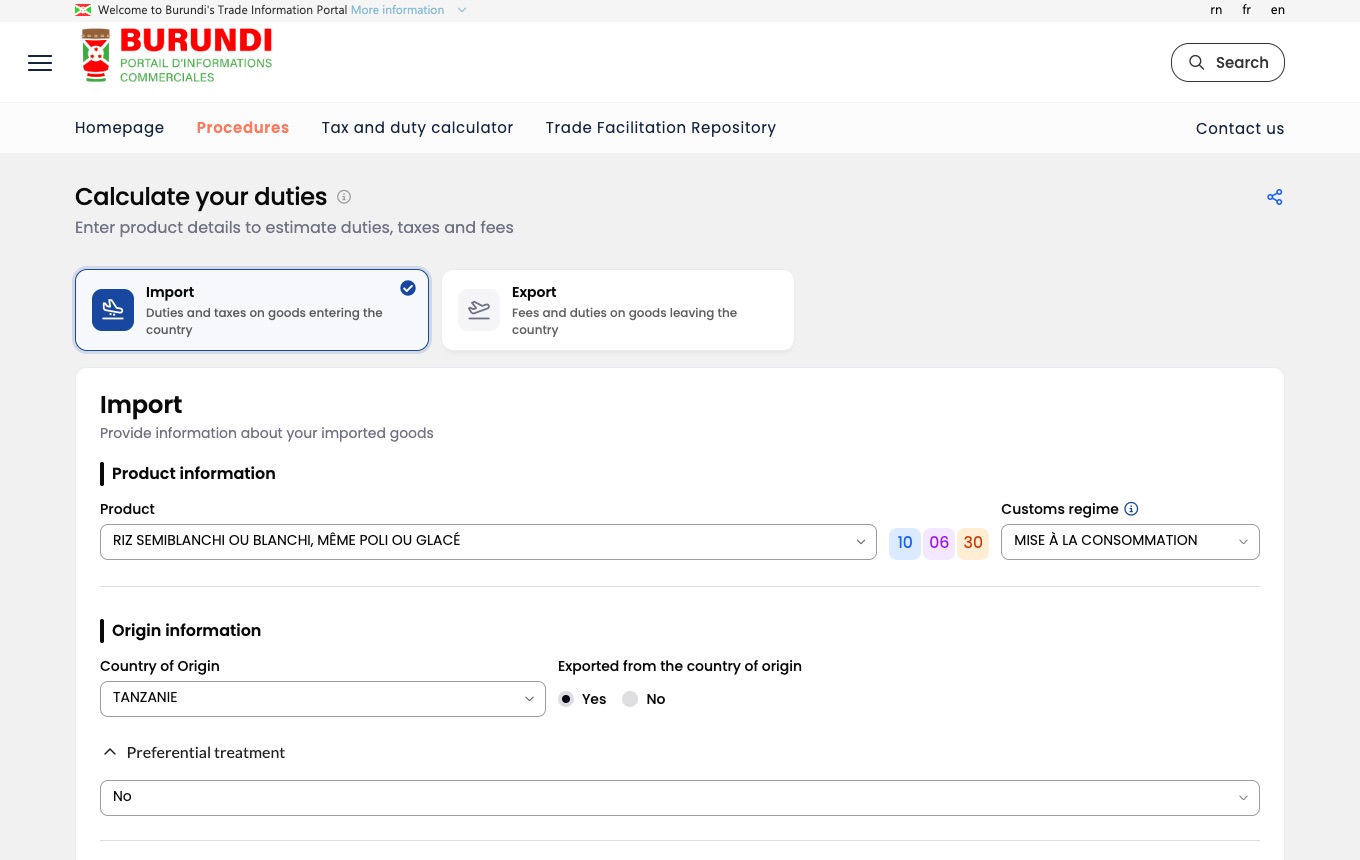
Source: infocommerce.obr.bi, managed by the Office Burundais des Recettes. Figures from a live calculation, for illustration only.
2 Simplification
Once every step is visible, the government can see which ones are not needed. UNCTAD’s ten principles of administrative simplification guide that review, step by step, with the offices concerned. Most of the gains come from changing practice, not the law.
Source: UNCTAD Digital Government Programme, “How to simplify administrative procedures”, Digital Government Academy.
3 Digitalisation
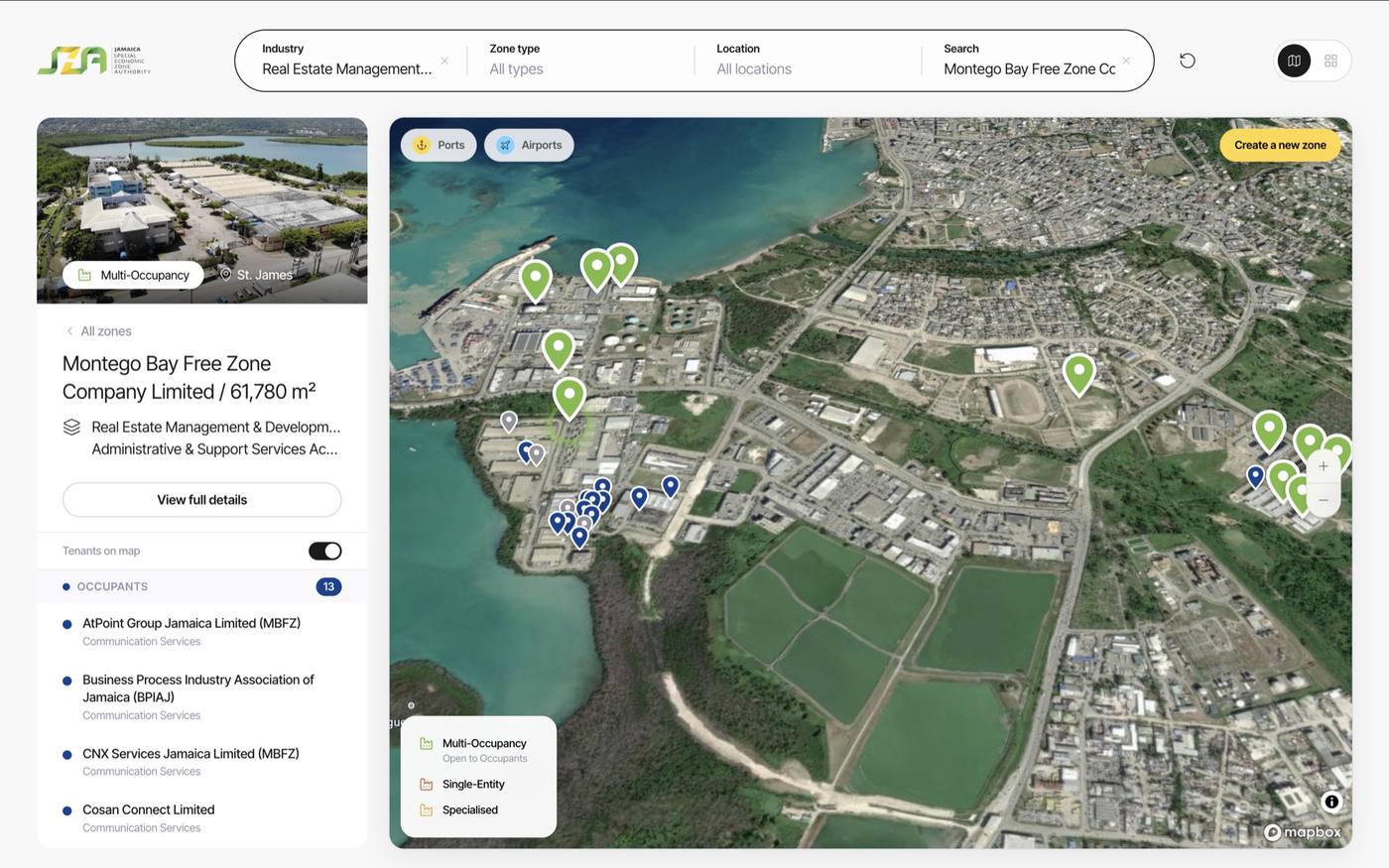
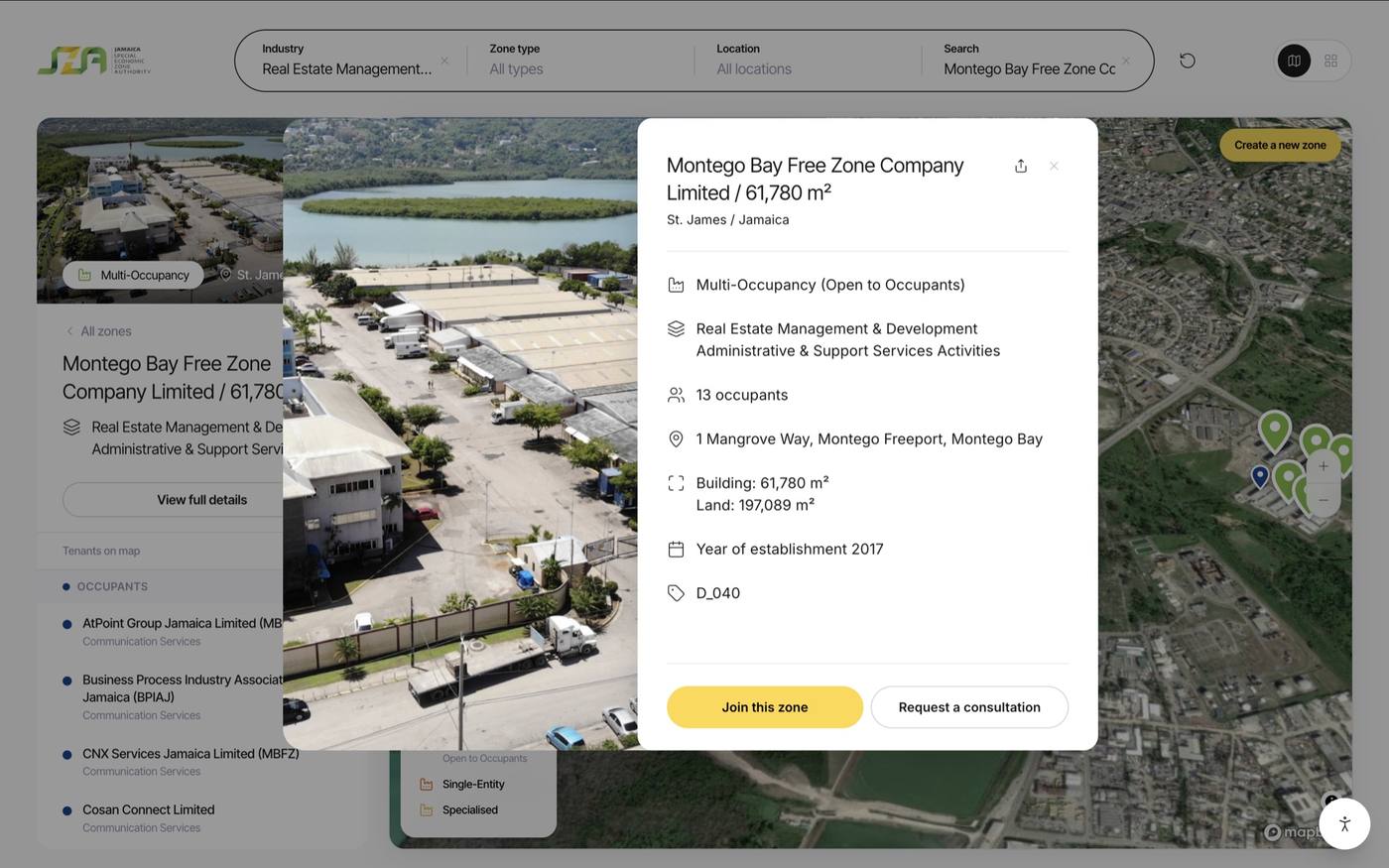
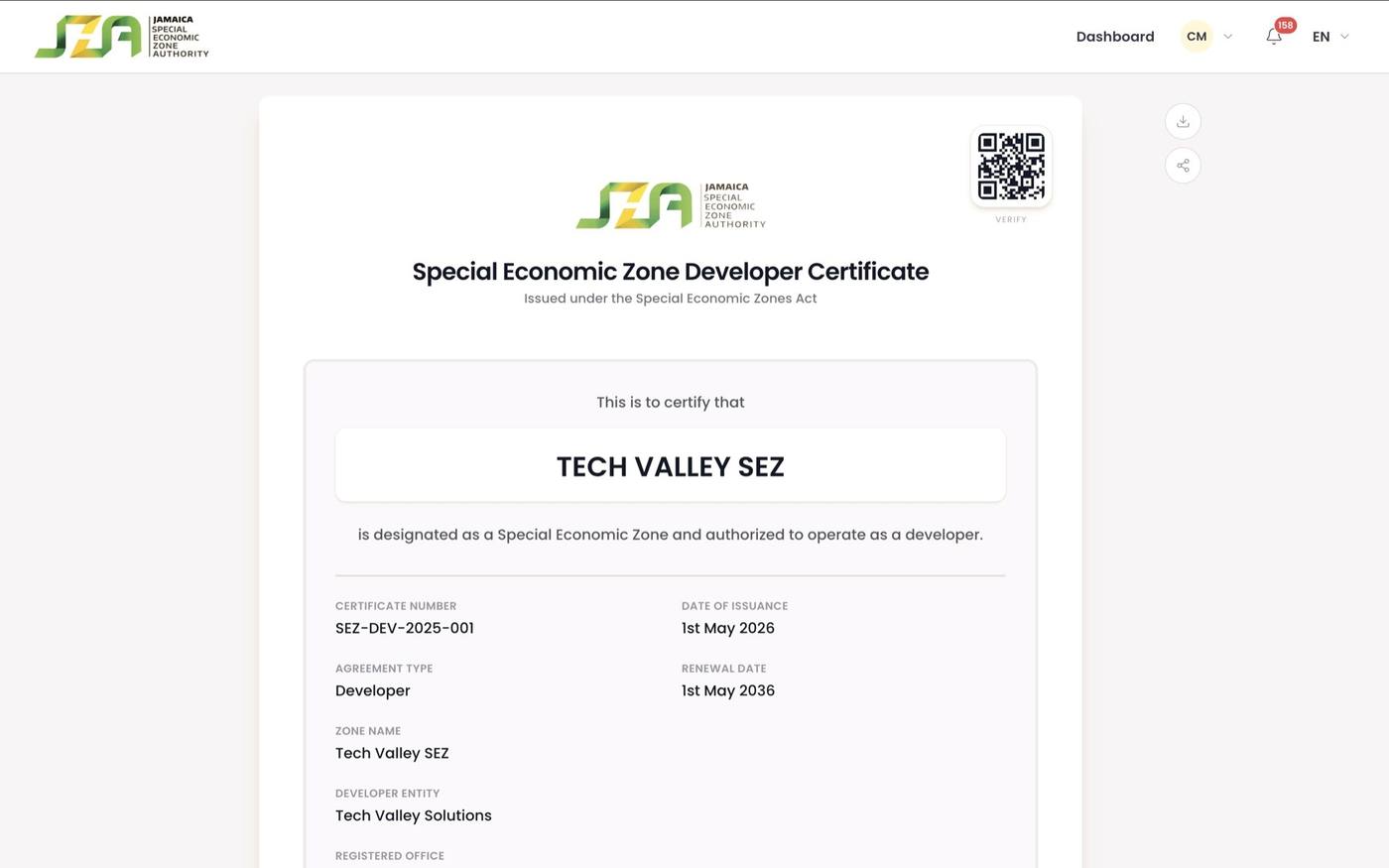
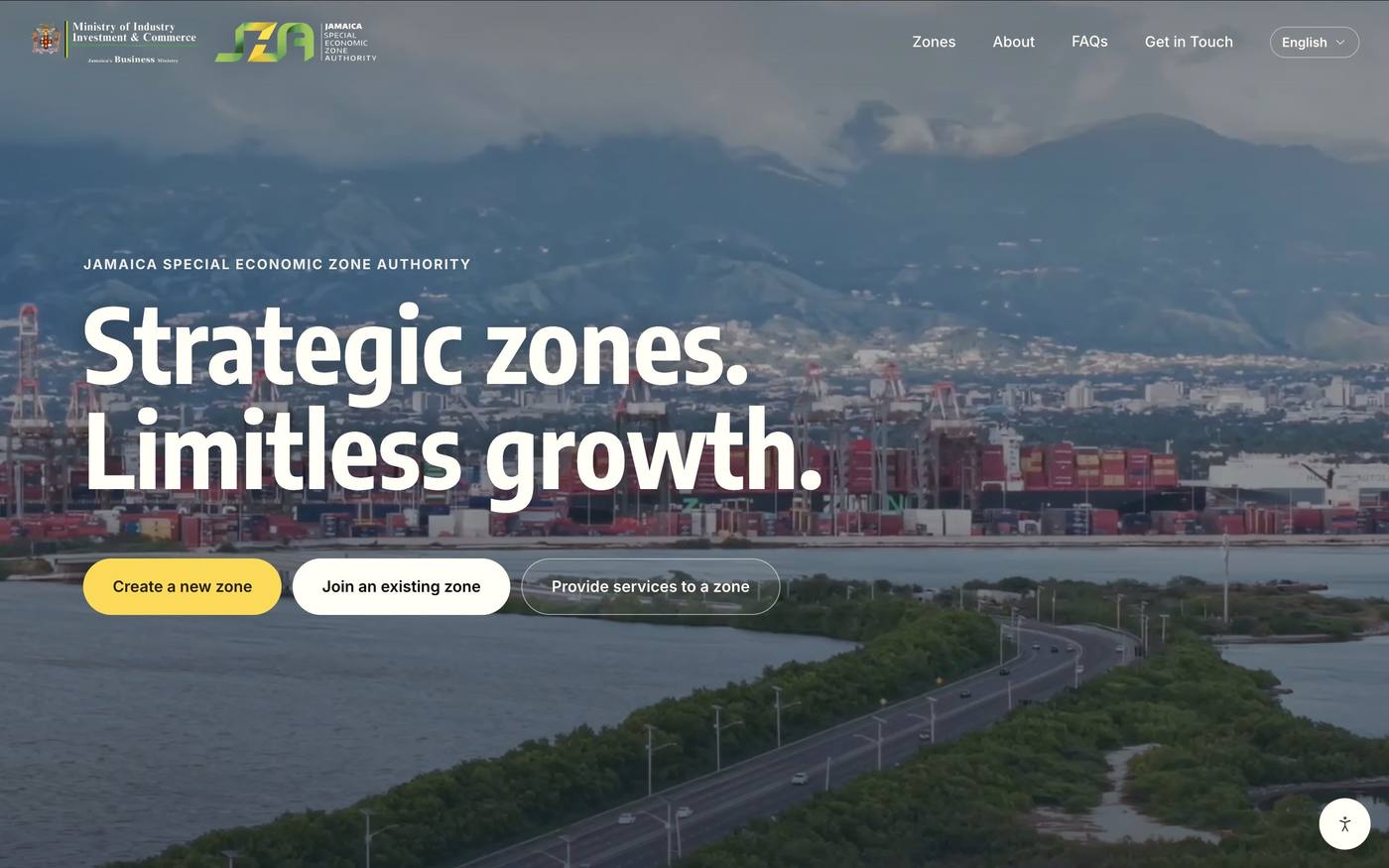
In June 2026, Jamaica launched an online platform for its special economic zones, developed by the Jamaica Special Economic Zone Authority with UNCTAD support. Each jurisdiction’s set-up is different. What the investor sees: one entry point, every zone on a map, one online process, and a certificate that anyone can verify.
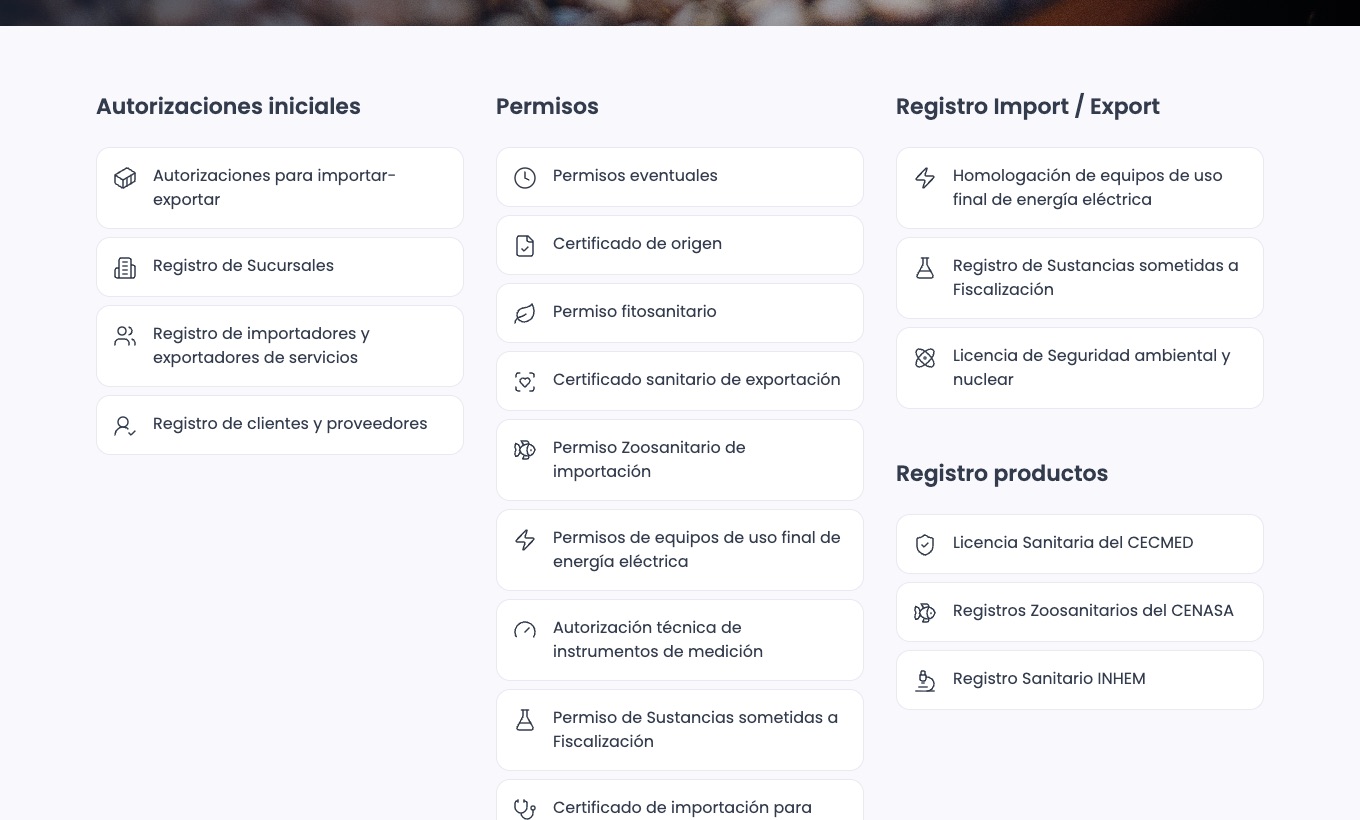
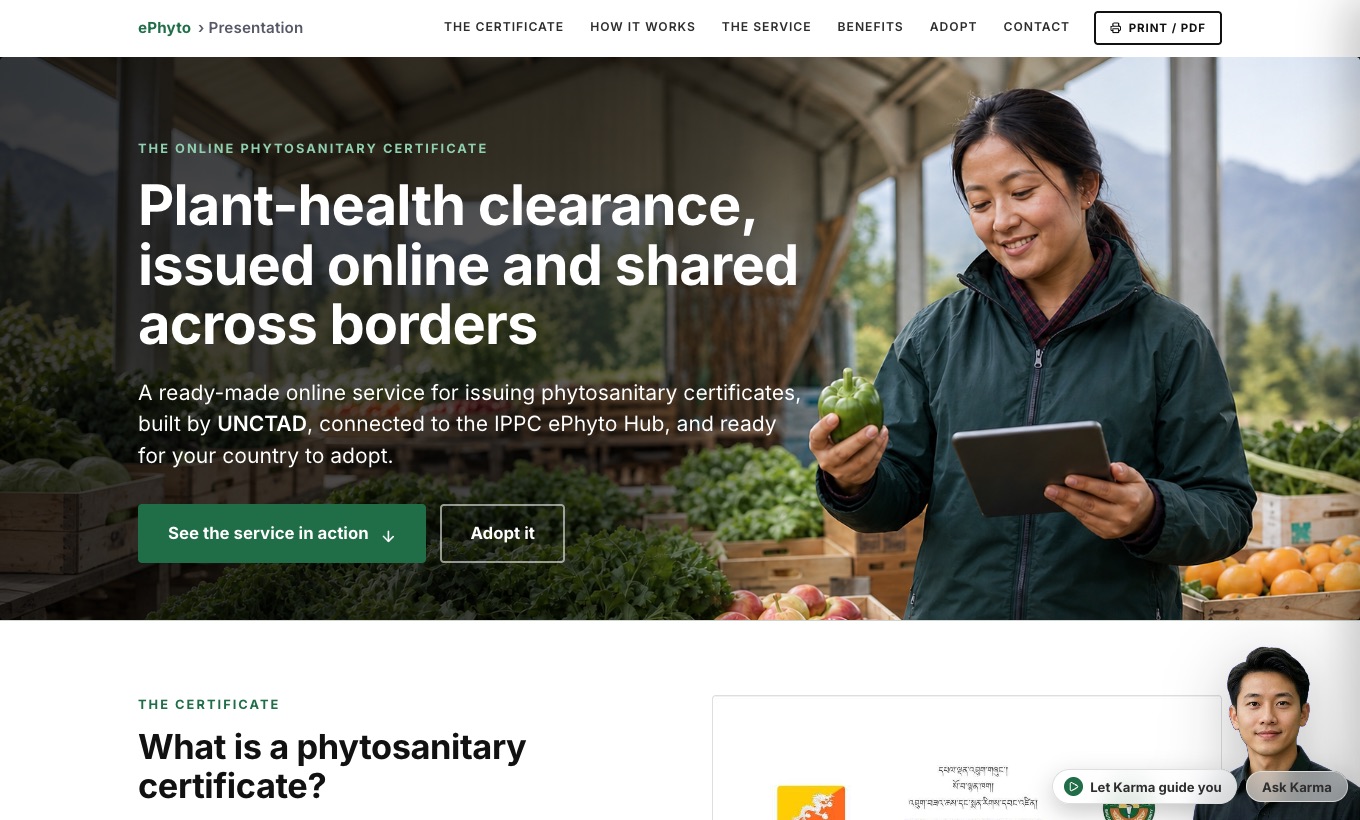
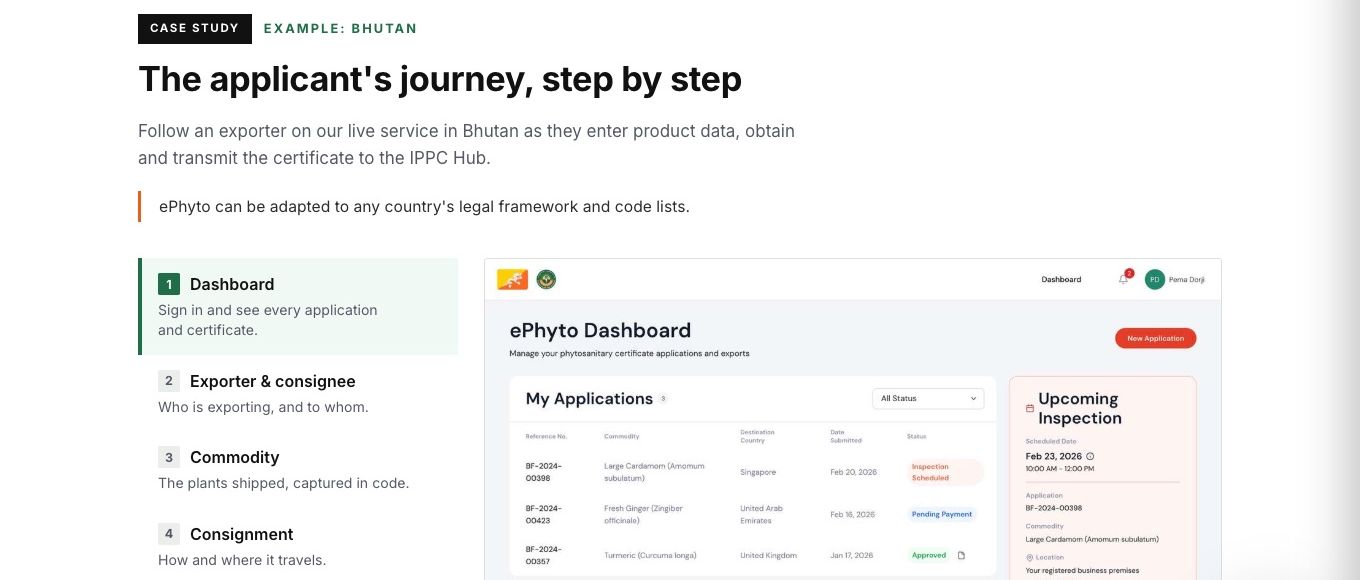
The eRegistrations system behind Jamaica’s service can also bring a country’s import and export permits together in one single window, and can add ready-made services such as ePhyto, the online phytosanitary certificate exchanged with other countries through the IPPC ePhyto Hub.
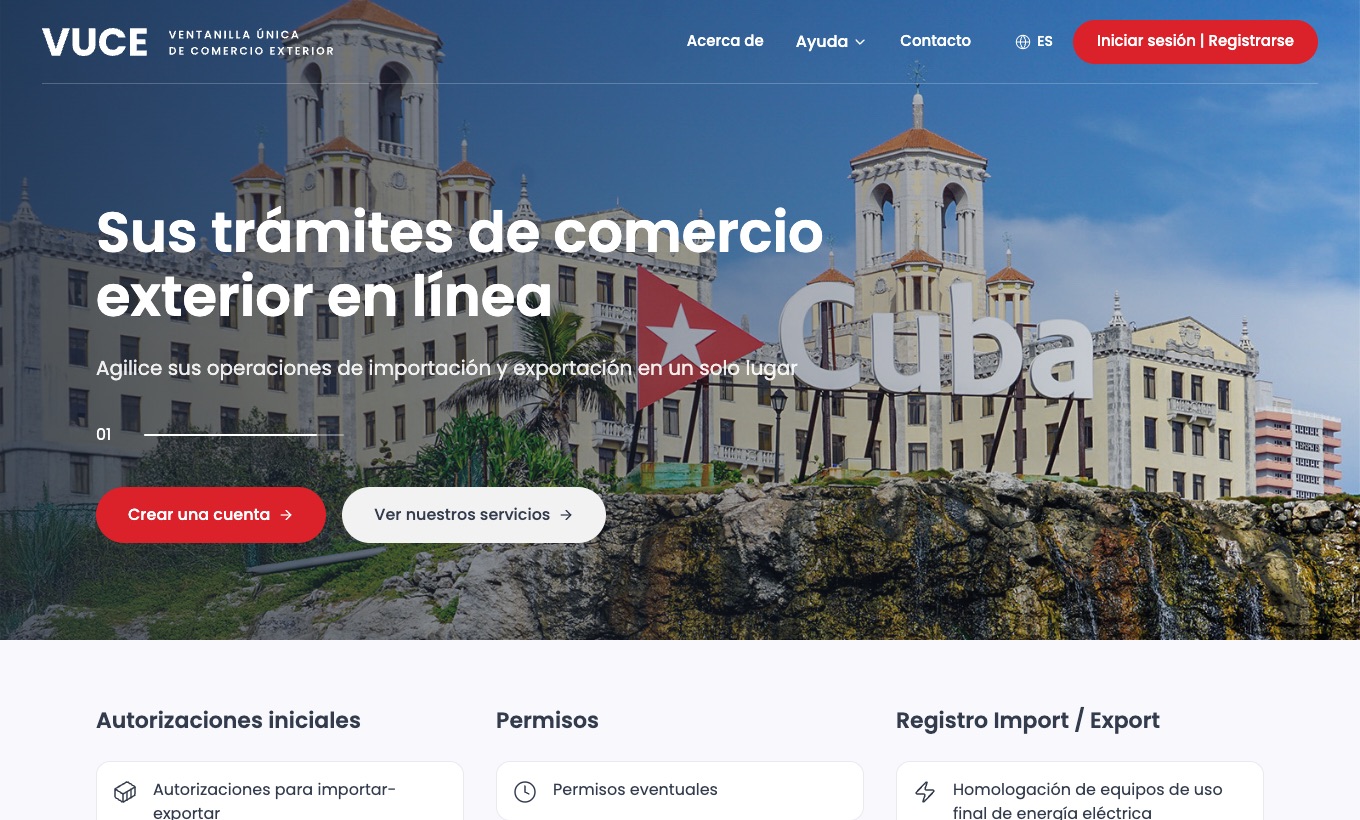
Sources: cuba.eregistrations.dev (in development) and ephyto.eregistrations.dev.
Completing the questionnaire is voluntary and creates no commitment. Each response reflects the view of the entity that sends it, not a formal position of the Government of the Turks and Caicos Islands. Subject to the partners’ mandates and available resources, the responses could inform a short assessment and a concept note for the platform. The findings would be shared with the Department first, and would not be published without its consent.